
The Thrill of the Gamble
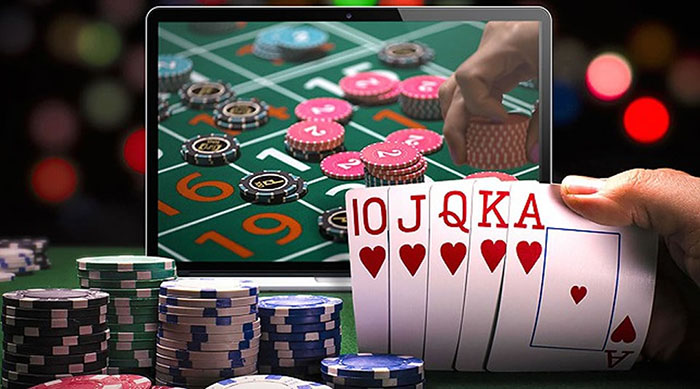
At the heart of risky casino bets lies the exhilarating thrill that players experience. This excitement often comes from the uncertainty surrounding the outcomes of their bets. The psychological concept of “risk-taking” suggests that many individuals are drawn to situations that involve potential rewards, where the stakes are high. In fact, some players even go online to find the best casino sites not on gamstop, adding an extra layer of excitement as they navigate the vast opportunities in gambling. The adrenaline rush associated with betting large sums of money adds a level of excitement that can be intoxicating.
Moreover, the environment of a casino plays a significant role in amplifying this thrill. Bright lights, loud sounds, and the presence of other enthusiastic players create an atmosphere that encourages risk-taking behavior. When surrounded by excitement, individuals may feel more confident in their decisions, leading to larger and riskier bets than they might otherwise consider in a calmer setting.
The Influence of Cognitive Biases
Cognitive biases significantly influence how players approach risky bets. One notable bias is the “illusion of control,” where players believe they can influence the outcome of games of chance, such as slots or roulette. This false sense of agency can lead individuals to take larger risks, believing that their actions can sway the results in their favor.
Another cognitive bias is the “availability heuristic,” where recent wins or exciting experiences dominate a player’s mindset, making them more likely to engage in high-risk betting. When players recall their past successes, they may forget the more numerous losses, thus skewing their perception of probability and encouraging them to place riskier bets in anticipation of future wins.
The Role of Social Factors
Social factors also play a crucial role in risky gambling behavior. The presence of peers and the social environment of casinos can motivate individuals to take chances they might not otherwise consider. Group dynamics often lead to a phenomenon called “herd behavior,” where individuals mimic the actions of others, increasing the likelihood of placing high-stakes bets.
Additionally, the social aspect of gambling can create a sense of community and belonging. For some, the act of gambling becomes a collective experience, where the thrill of risk is shared among friends or acquaintances, leading to a willingness to engage in risky bets. This social reinforcement can further exacerbate the propensity for high-risk gambling behaviors.
The Psychological Impact of Winning and Losing
The psychological effects of winning and losing in gambling are profound and can drive players to continue taking risks. A big win can create a powerful emotional response, reinforcing the behavior that led to the success. This phenomenon can lead to the “gambler’s fallacy,” where players believe that they are “due” for a win, prompting them to take larger risks in hopes of replicating past successes.
Conversely, losses can generate a sense of frustration and a desire to recover losses, often leading to even riskier betting behavior. This cycle creates a complex relationship with gambling, where emotional highs and lows can dictate decision-making processes, ultimately perpetuating the cycle of risk-taking.
Understanding Players Through Behavioral Insights
Understanding the psychology behind risky casino bets requires analyzing the interplay of various psychological factors. Casinos often employ strategies designed to enhance the emotional experience of gambling, directly appealing to the players’ psychology to encourage continued play. Recognizing these tactics can help players maintain a healthier relationship with gambling.
As discussions about gambling’s psychological aspects continue to evolve, it’s crucial to foster awareness around responsible gaming. Tools and resources that promote understanding can help mitigate the negative impacts of gambling, allowing individuals to engage more mindfully and strategically in their gambling experiences.